

Dated Kolasib the 11th December, 2025:
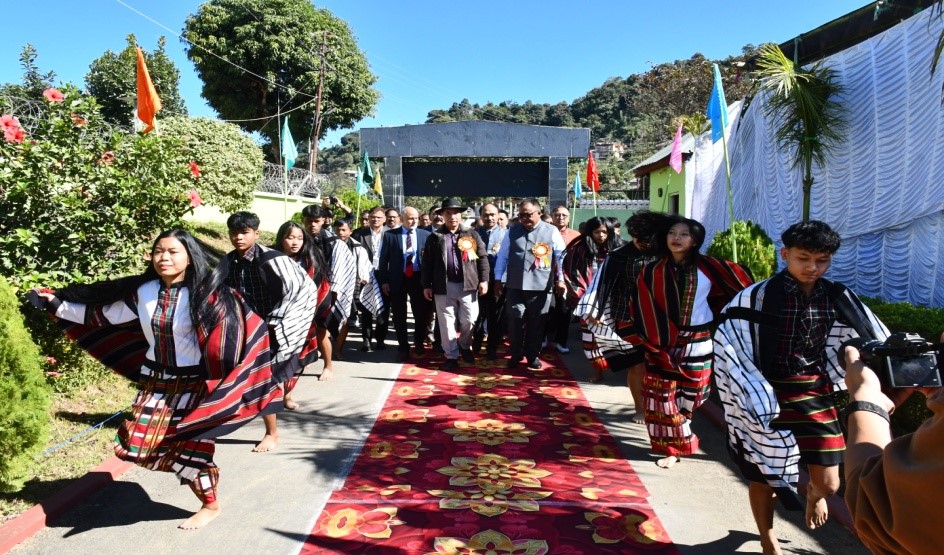
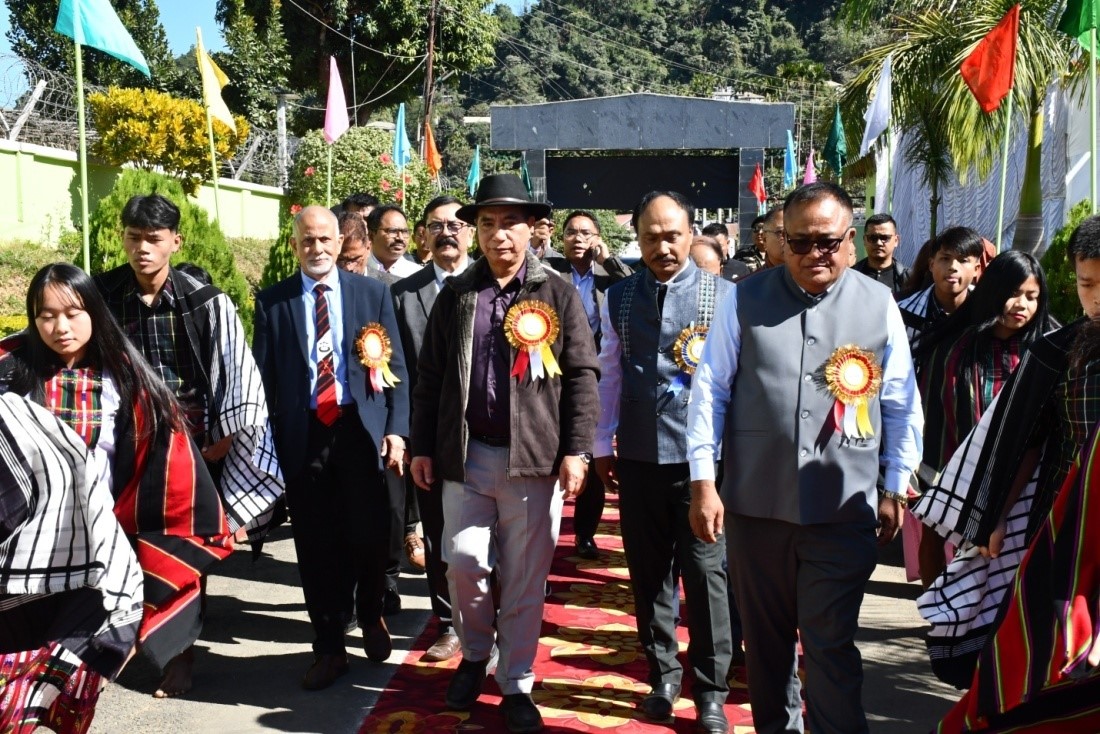
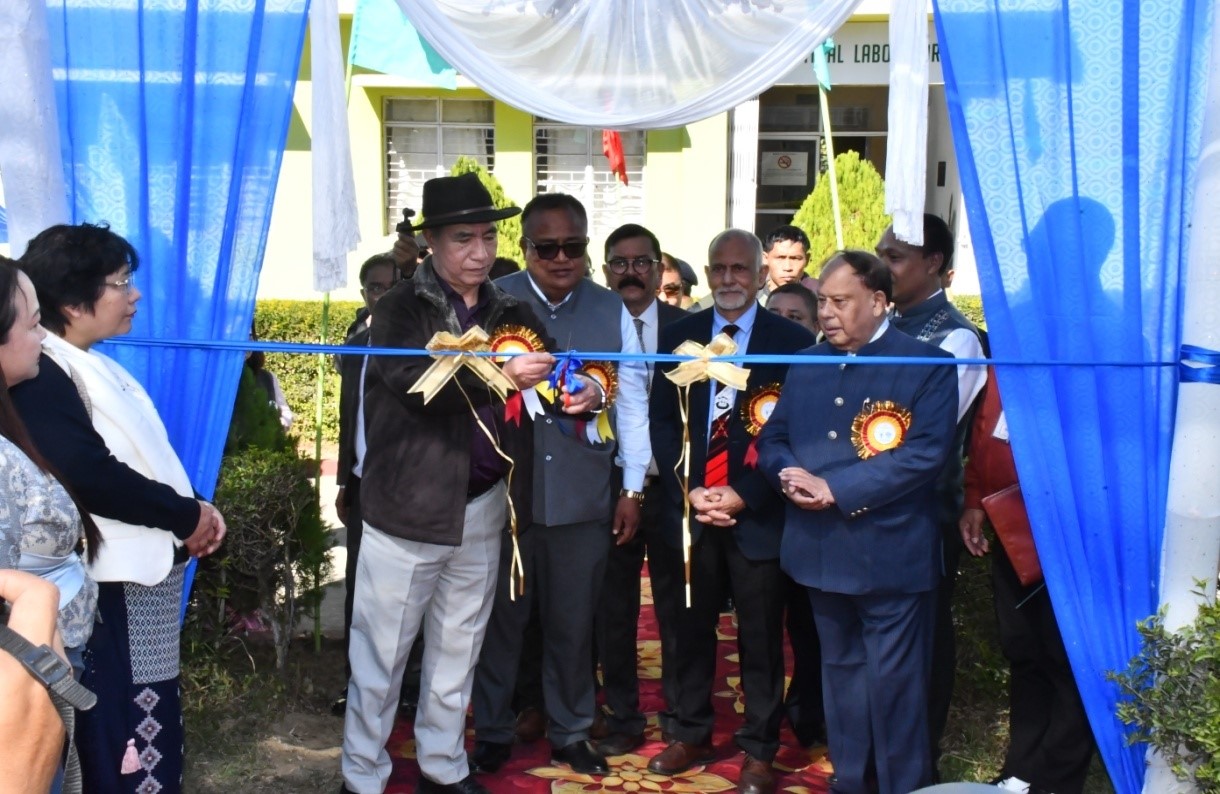
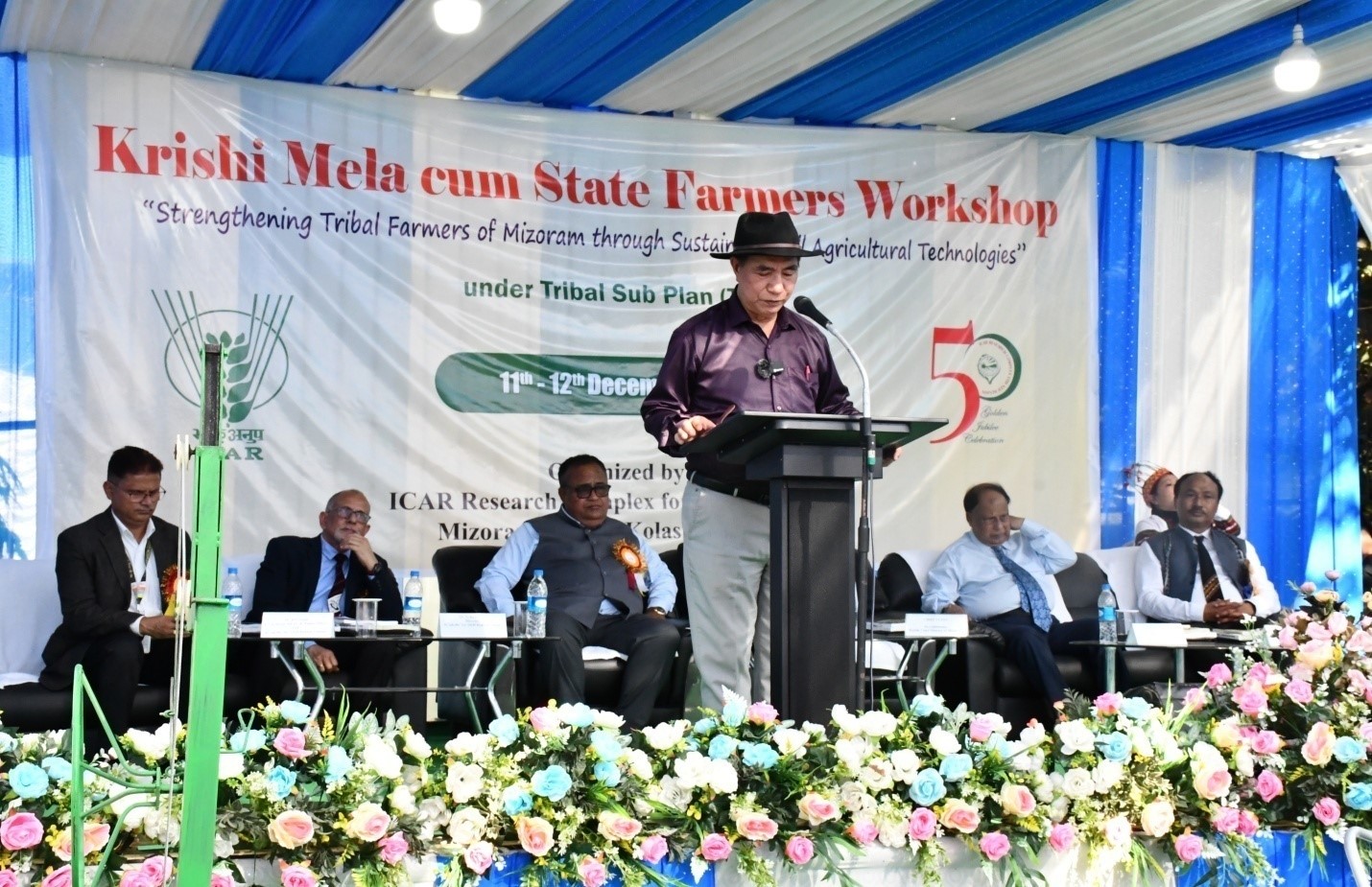
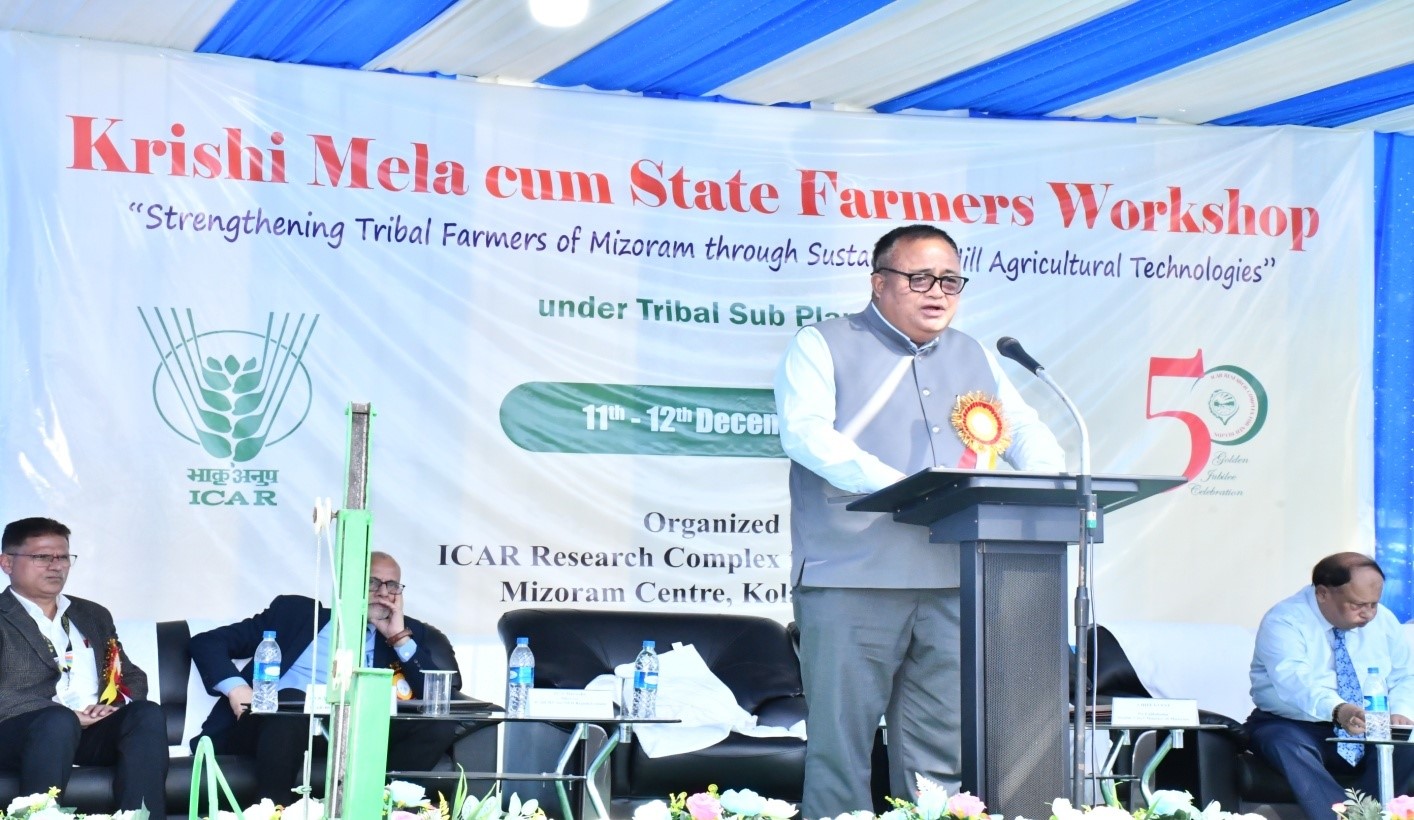
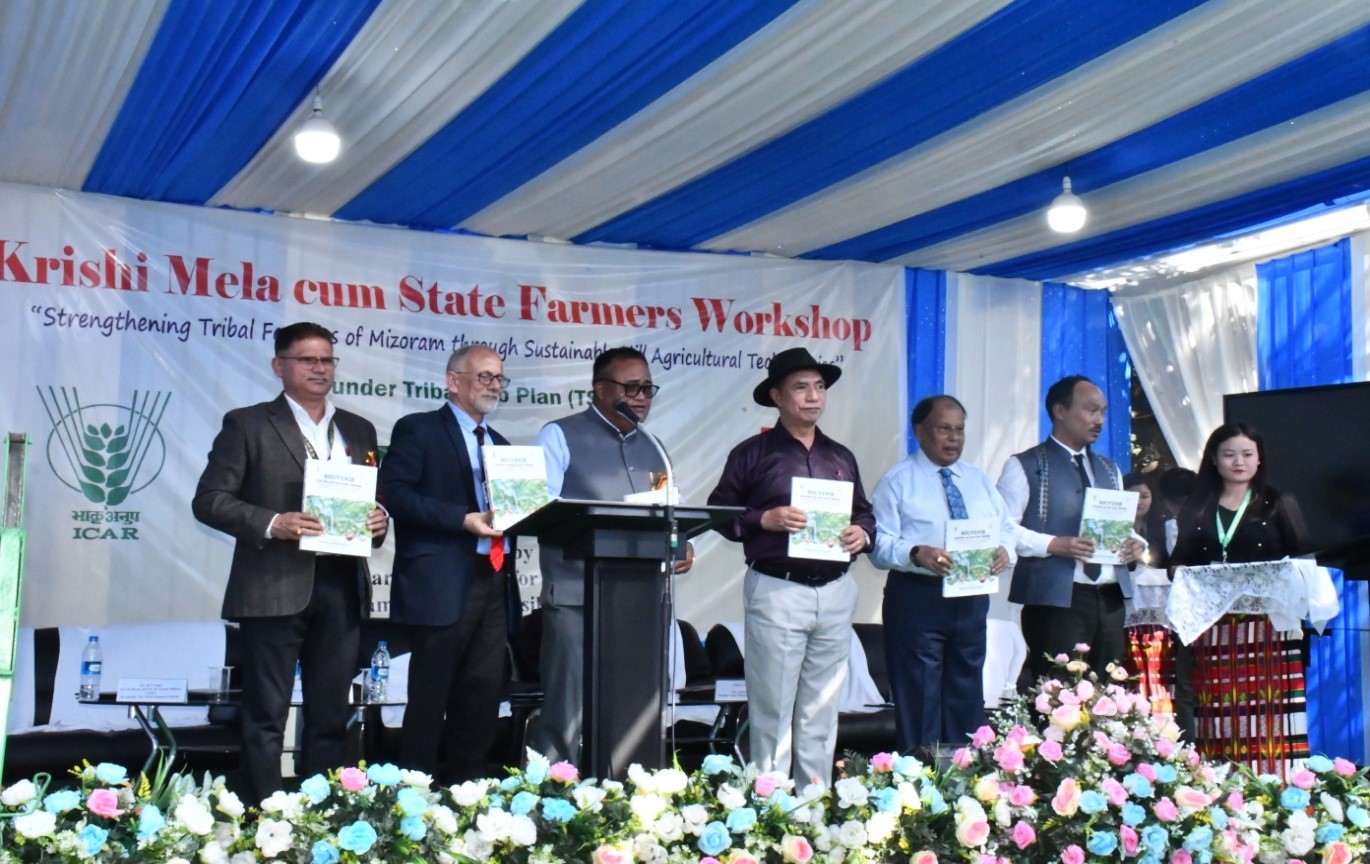
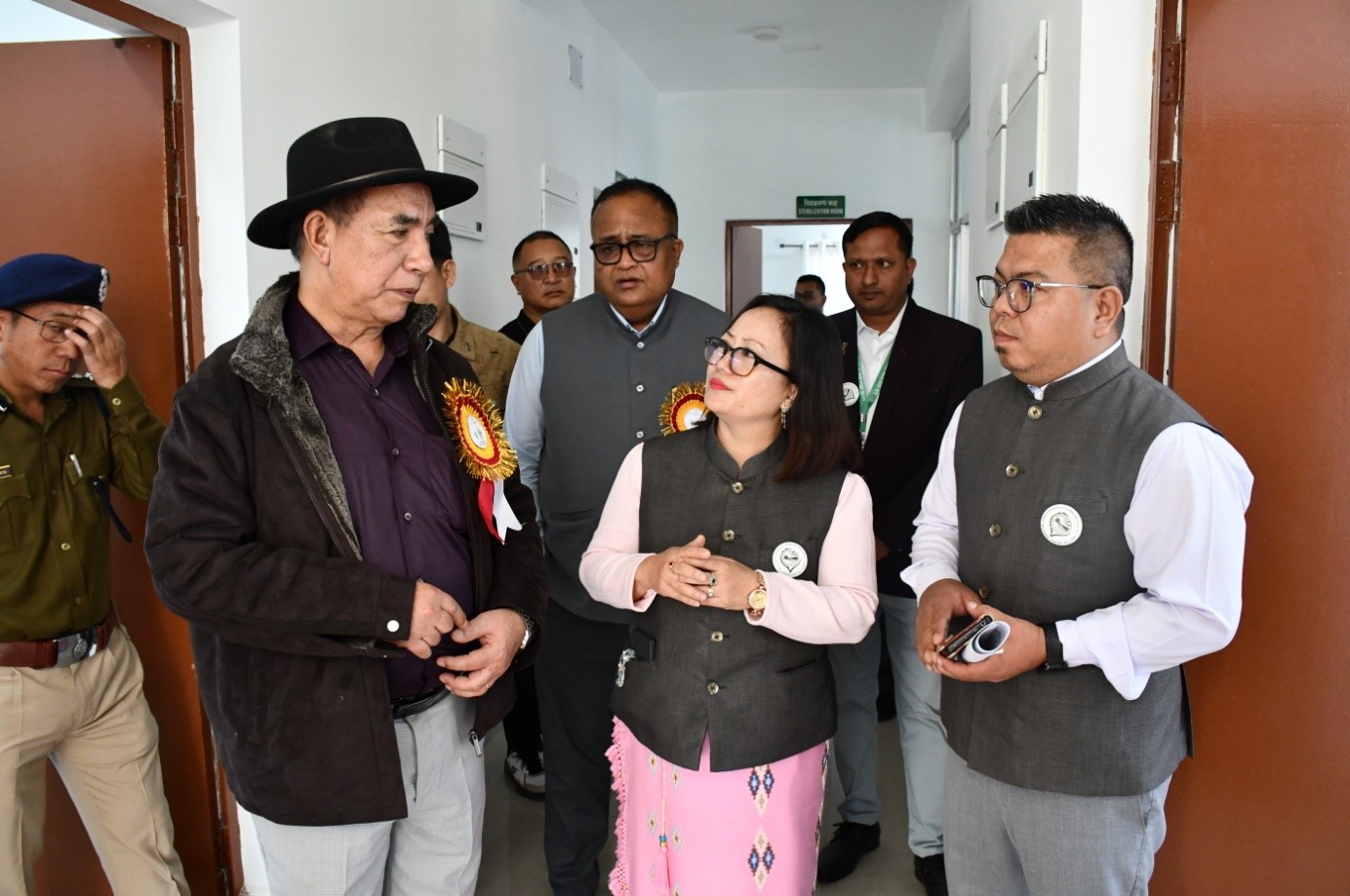
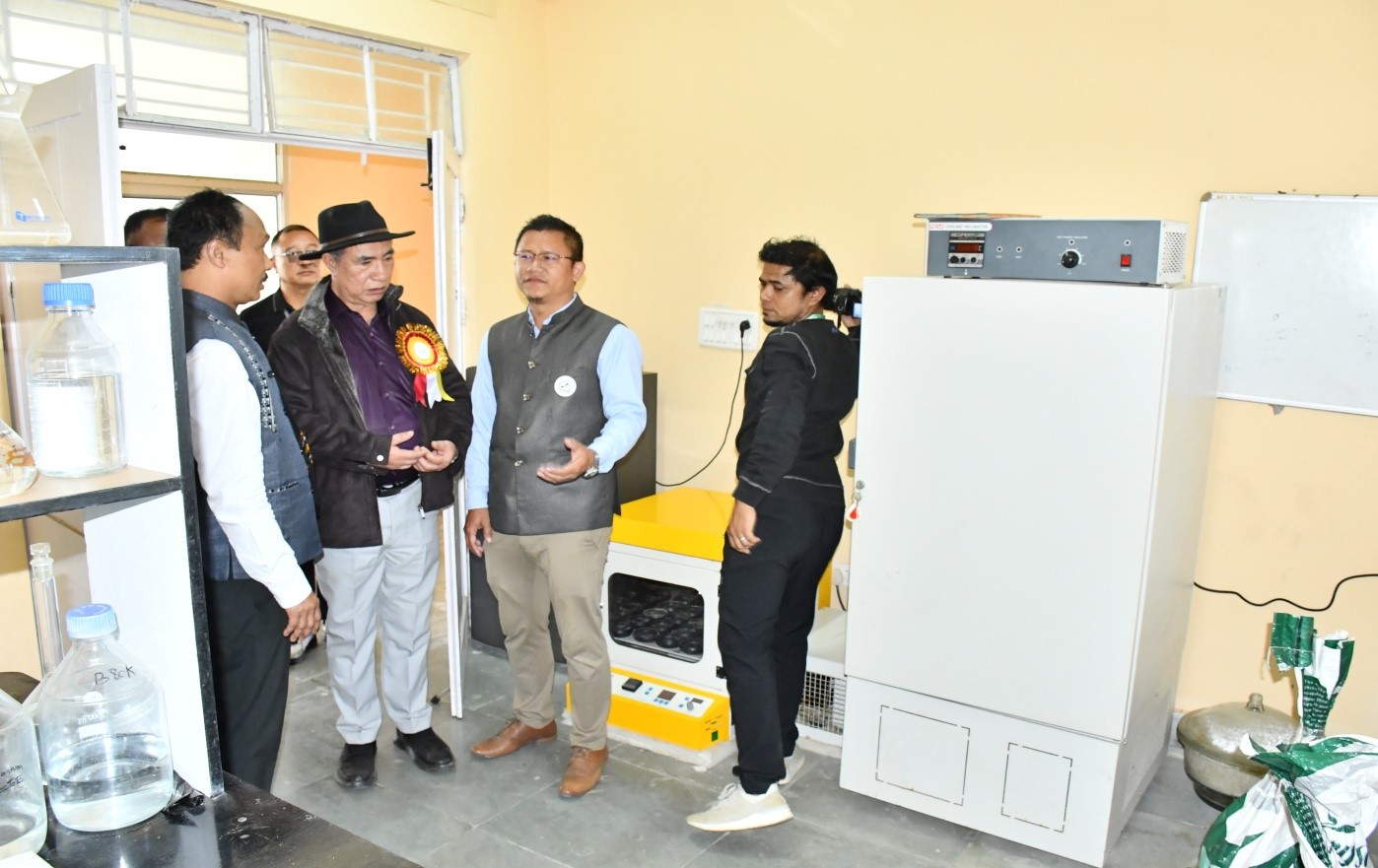
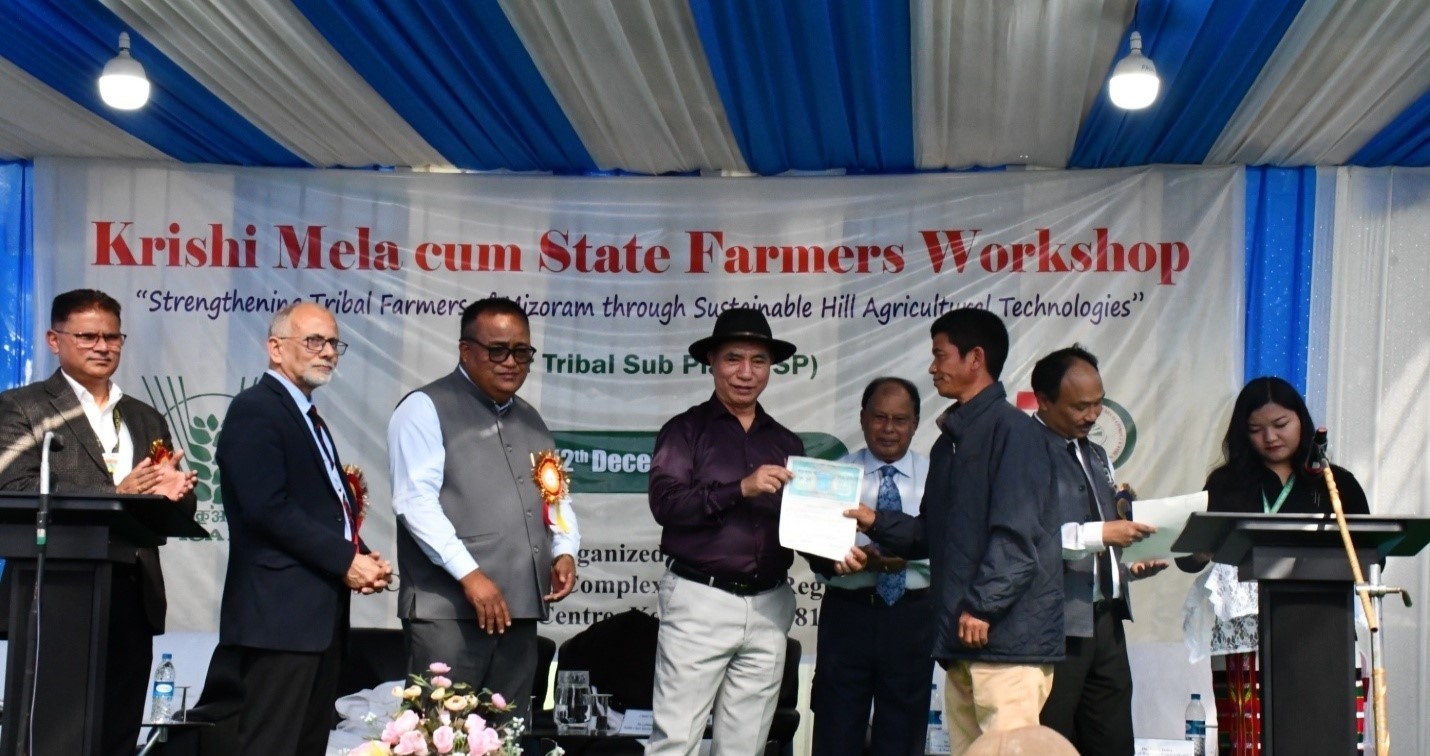
Mizoram Chief Minister Shri Lalduhoma graced the inaugural function of the 'Krishi Mela cum State Farmers Workshop'
organized by the ICAR Research Complex for NEH Region, Mizoram Centre, Kolasib. The event is being held under the Tribal Sub Plan (TSP) from December 11-12, 2025.
Speaking at the Krishi Mela cum State-Level Workshop held under the theme "Strengthening Tribal Farmers of Mizoram through
sustainable Hill Agriculture Technologies," the Chief Guest, Chief Minister Shri Lalduhoma, highlighted the necessity of adopting sustainable, science-based farming methods
beyond the traditional jhum cultivation (slash and burn) practiced for ages. The Chief Minister stated that while jhum cultivation is deeply rooted in Mizo culture, due to
continuous soil degradation and climate change, it is now essential to utilize advanced technology to ensure a stable future.
The Chief Minister discussed the Government's flagship programme, the 'Banakaih- Handholding Scheme,’ noting that it provides
loans to those starting new livelihoods, while a ‘CM Special Package’ has been created for those who have already established farms and businesses. He also mentioned that the
government is ensuring good price support for produce such as turmeric, chili, ginger, broom grass, and rice.
He stated that last year, the government purchased dry broomsticks produced by farmers and spent over ₹137 crore to support
ginger producers. Highlighting significant achievements, he mentioned that NITI Aayog has recognized Mizoram as the "Ginger Capital of India," and processing units have been
set up in various locations.
Significant steps are also being taken regarding cash crops, particularly under the Chief Minister’s Rubber Mission.
The Chief Minister stated that during this financial year, there is a target to plant over 11.58 lakh rubber saplings across 2,575 hectares, with a broader vision to
cover 11,000 hectares. Regarding Arecanut, he noted that selling prices are high due to the strict prevention of illegal imports. He mentioned that Rengdil village earned
over ₹1,000 lakhs, and farmers in the Hachhek constituency earned over ₹5,000 lakhs from Arecanut. To ensure continued progress, a new Arecanut processing unit is being established,
with one in Buhchangphai ready for opening.
The Chief Minister expressed appreciation for the strong collaboration with the ICAR Mizoram Centre. He noted that they have introduced
region-specific technology and better crop varieties like 'Siata Mimpui' (rice) and 'Mizo Popcorn-1'. Through this partnership, efforts are being made to conserve indigenous livestock and
the state fish, 'Nghavang,' among other initiatives.
The Chief Minister called upon farmers, ICAR scientists, and the youth to foster a better relationship with the land,
urging them to transform Mizoram's terrain into a source of sustainable and profitable livelihood to build a self-reliant state.
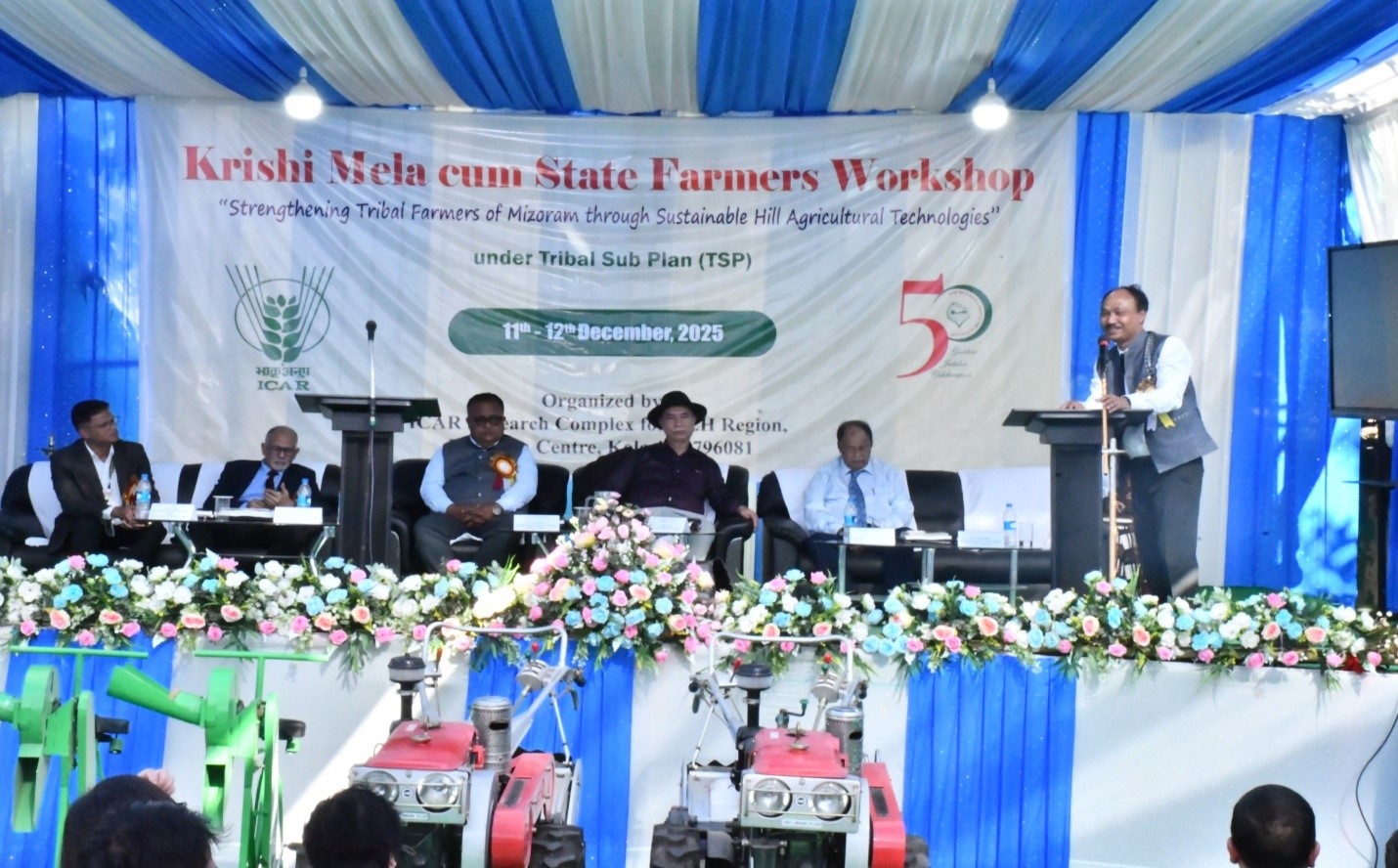
Guest of Honour, Mizoram Legislative Assembly Deputy Speaker Shri Lalfamkima, also spoke, stating that Kolasib district
greatly benefits from ICAR as an important research and training hub. He emphasized the need for farmers to skillfully utilize the knowledge and tools designed for the
local terrain. He urged farmers not to be content with mere jhum cultivation but to utilize ICAR's machinery and expertise. He affirmed that the government stands firmly
with the farmers, noting that visible development is taking place through government initiatives.
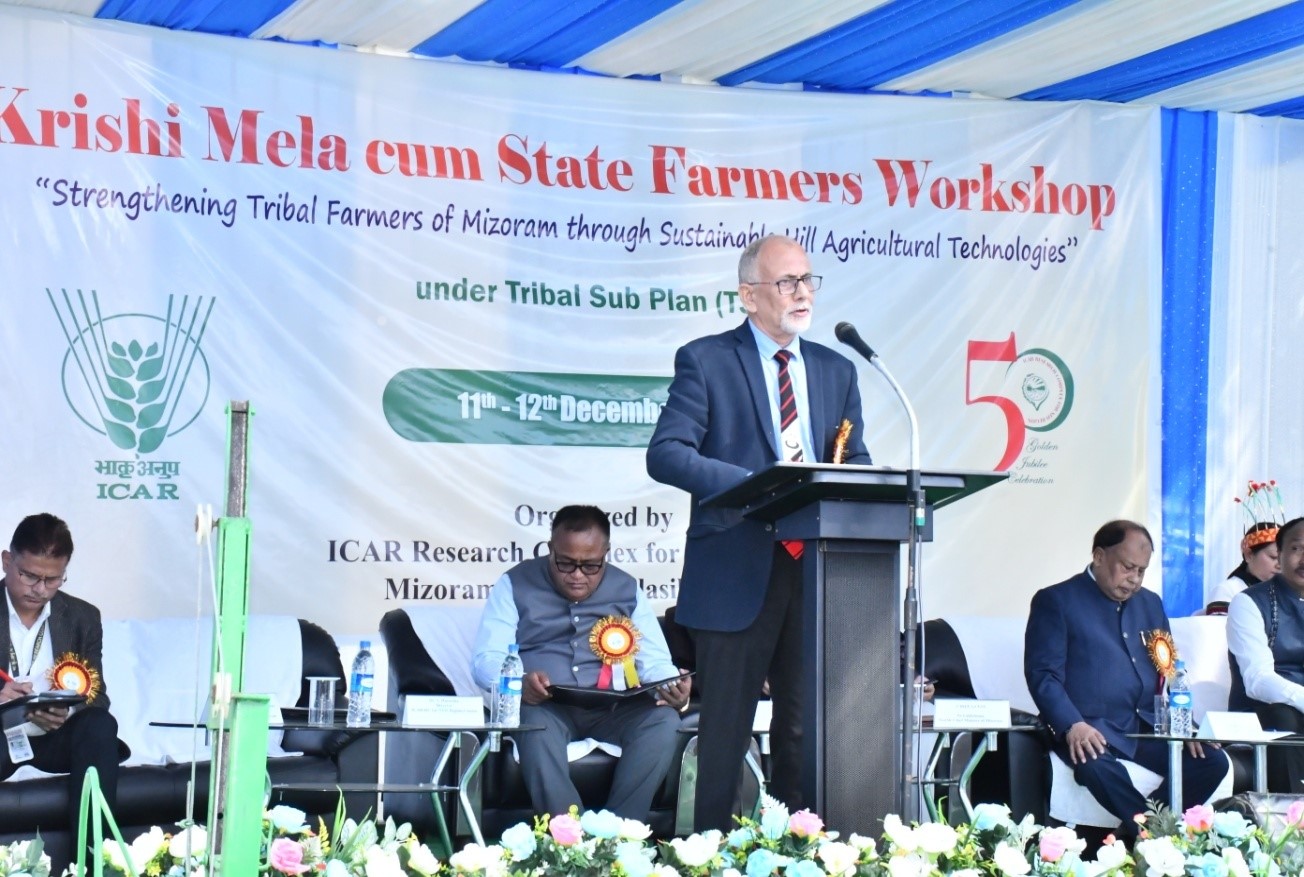
Dr. K.M. Bujarbaruah, former DDG (Animal Science) and former Vice-Chancellor of AAU, Jorhat, Assam, also graced the occasion
as Guest of Honor, and spoke on the importance of the Kisan Mela. He stressed the need to envision the status of agriculture and allied sectors by 2047. He noted that due to
significant progress and changes in India's agricultural sector, the world is looking at India. He highlighted the need for maximum effort to address the food deficits in the
Northeast. He also emphasized the importance and opportunities of the region to lead the country in natural farming utilizing its rich bio-diversity.
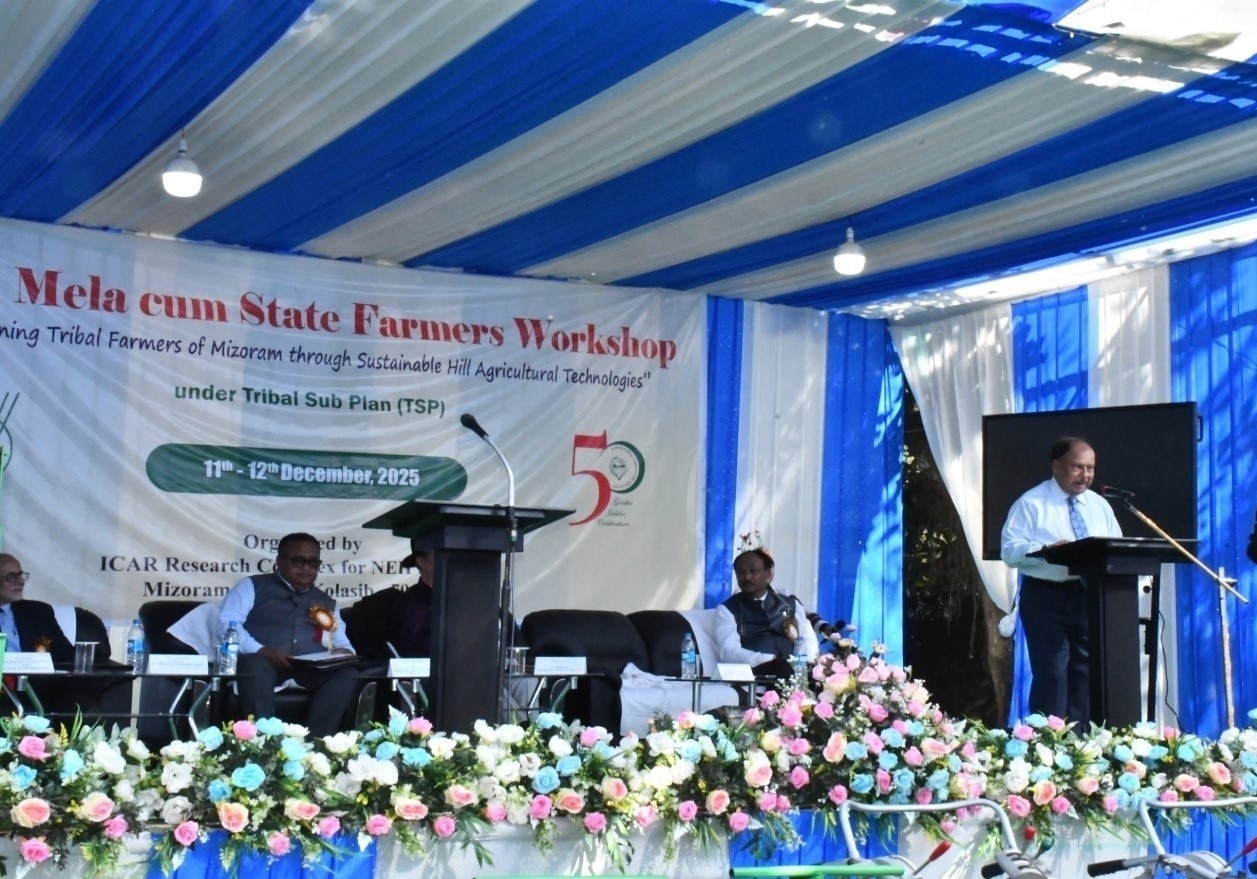
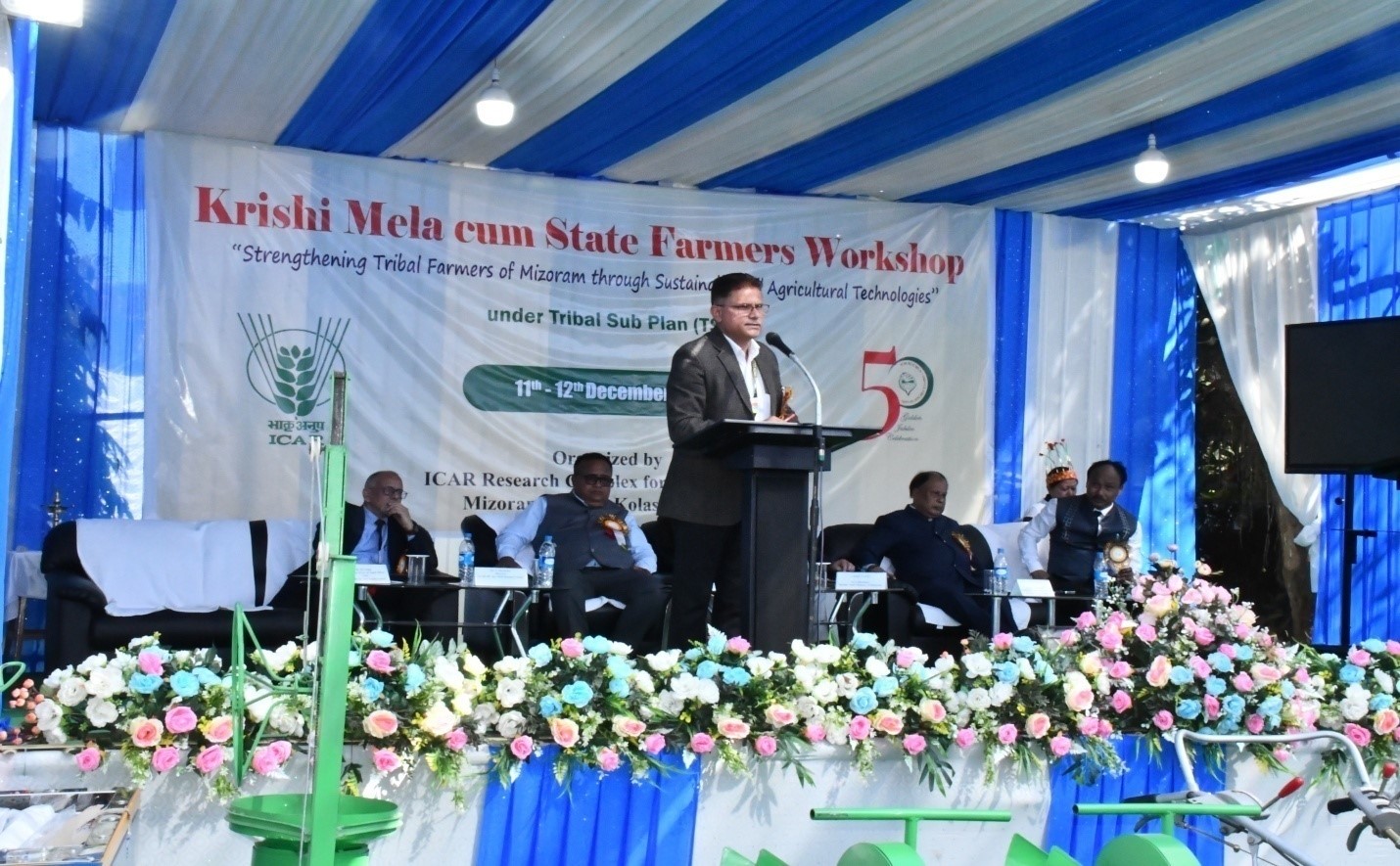
Dr. S. Hazarika, Director, ICAR Research Complex for NEH Region, Umiam, Barapani, Meghalaya, highlighted the technologies developed by the Institute,
specifically various crop varieties, location specific Integrated Farming Systems (IFS), conservation agriculture, and popularized small-scale water harvesting structures. He also mentioned that under
the Tribal Sub Plan (TSP), over 20,000 farmers in the state have been benefited, and over 4 lakh farmers have been provided weather-based agro-advisory services via social media platforms.
Dr. B.P. Singh, Principal Scientist and Head (DCS) and Nodal Officer (TSP) at ICAR, Umiam, said the progress showcased by farmers reflects the impact
of the Tribal Sub-Plan (TSP). He mentioned that the scheme aims to channel central government support to improve education, healthcare, housing, and income opportunities for tribal communities, helping
bridge socio-economic gaps.
Launched in 1975–76 in 17 states and later expanded nationwide, TSP now involves 41 central ministries, with rising allocations each year.
Dr. Singh highlighted that TSP funding increased from ₹7,511 crore in 2023–24 to ₹14,925 crore in 2025–26. ICAR’s TSP budget also grew from ₹11,864 lakh in 2020–21 to ₹14,584 lakh in 2025–26.
He also mentioned that in the Northeast, ICAR is focusing on improving tribal livelihoods by promoting modern and organic farming, crop diversification, improved poultry and piggery units, farm mechanization,
rainwater harvesting, and regular capacity-building programmes. The initiative also supports women and youth entrepreneurship. Dr. Singh said these efforts have boosted income, employment, and food security
among tribal farmers across the region.
Dr. S. Doley, Head of Regional Centre, ICAR, Mizoram Centre expressed his sincere gratitude to all the dignitaries and participants.
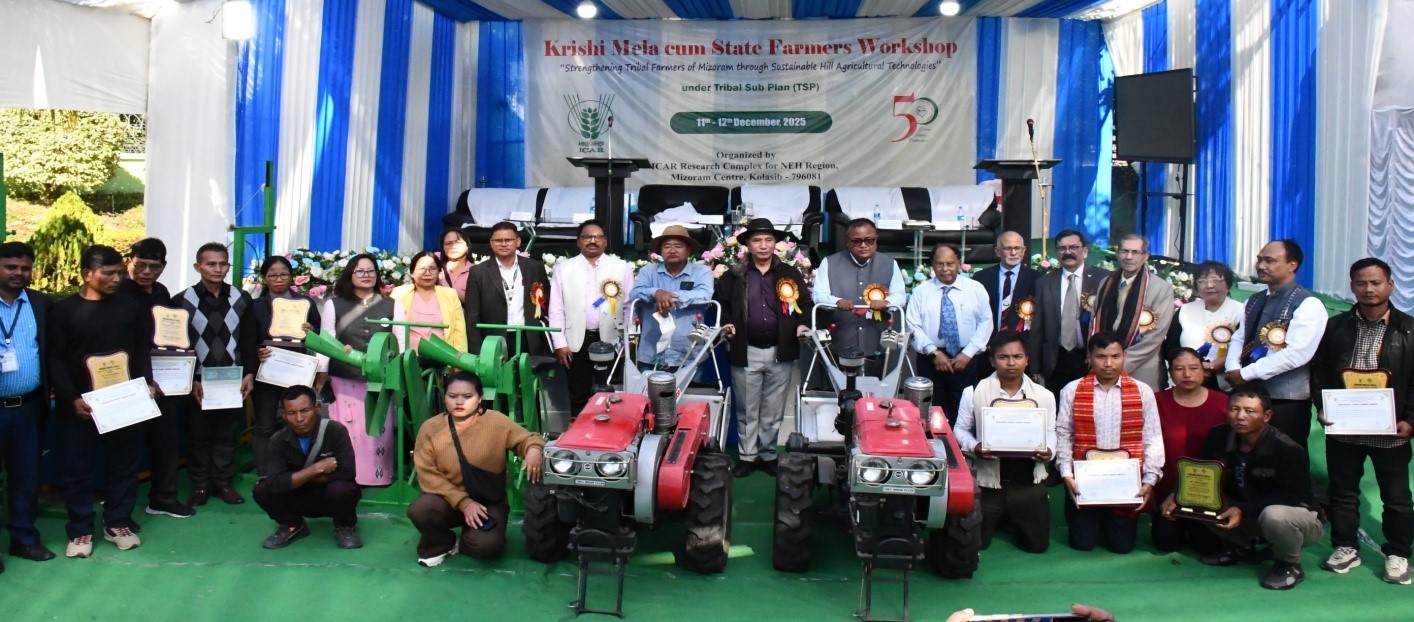
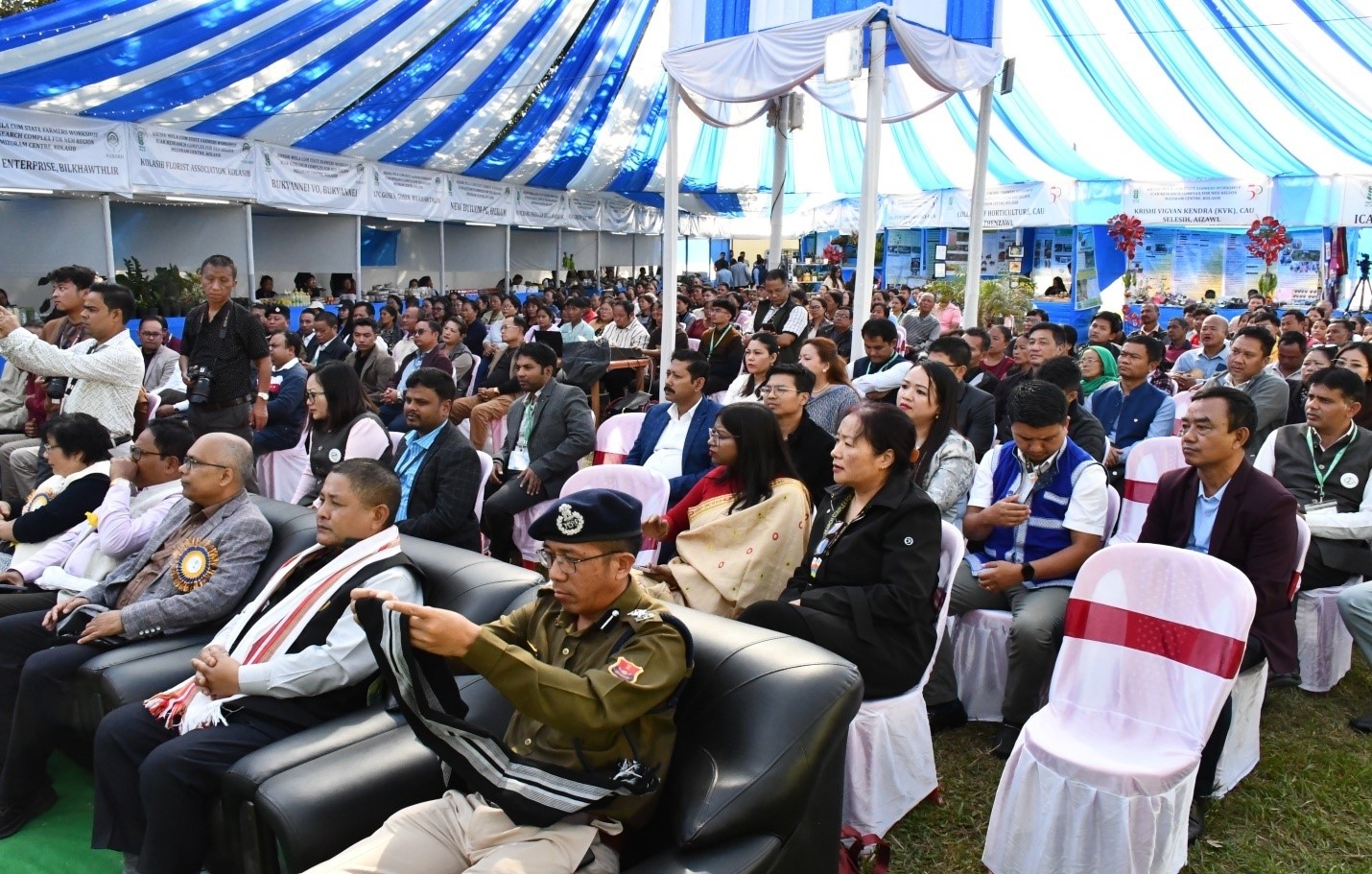
Over 300 farmers from Kolasib, Mamit, and Hailakandi districts attended the inaugural event. Essential tools were distributed to successful farmers in the district,
including Power Tillers, Pedal-operated turmeric slicers, Spice Pulverizers, and Straw spawn filling and compaction units (for mushrooms), along with poultry chicks and piglets. Innovative farmers were also awarded.
The Chief Guest also released two books and a mobile app named 'Gau Bandhu' useful for cattle farmers.
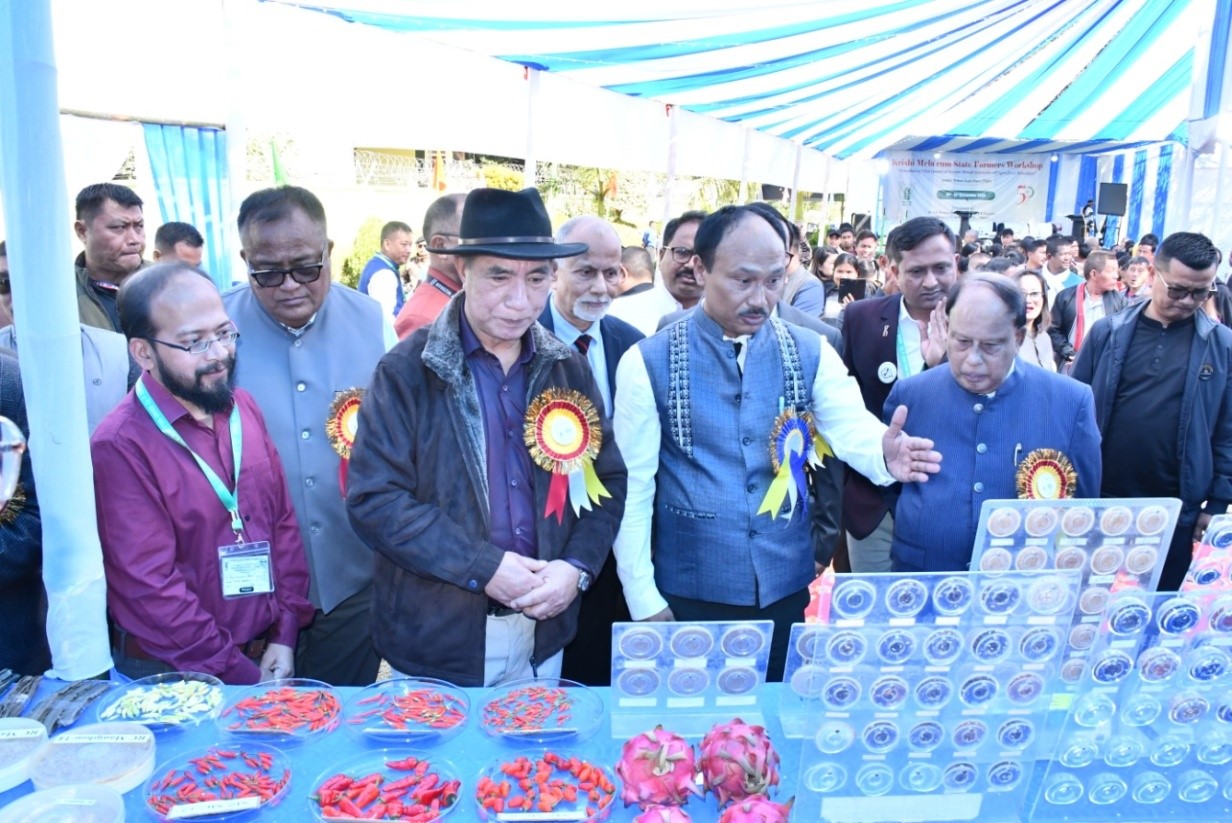
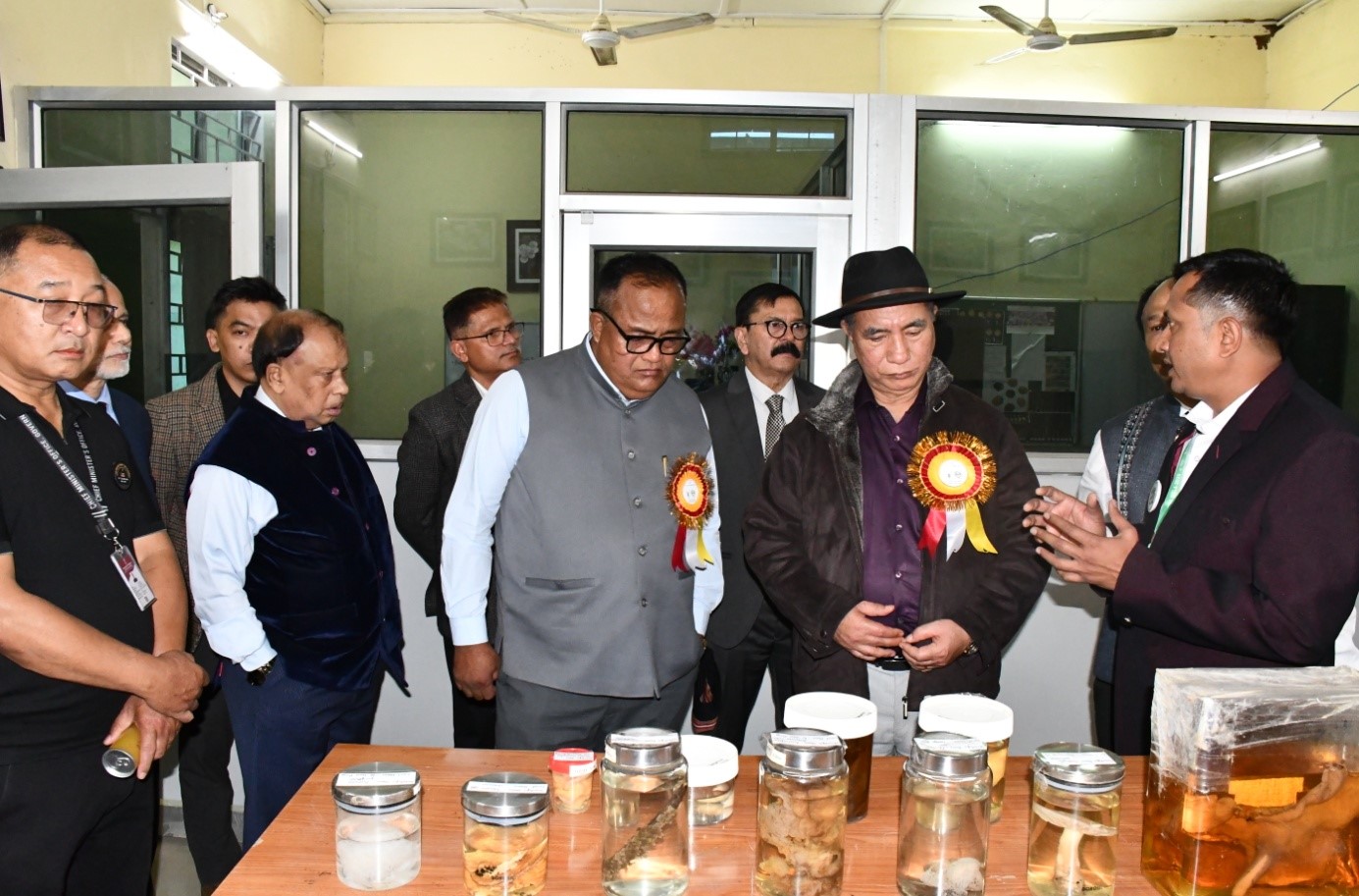
During the workshop, 25 stalls were exhibited by various Line departments, FPOs, and successful farmers to showcase their produce.
Attending the ICAR Krishi Mela Cum State Level Workshop alongside the Chief Minister were Deputy Speaker Pu Lalfamkima, Kolasib Deputy Commissioner Pu Robert C. Lalhmangaiha,
Superintendent of Police Pu Lalrinpuia Varte, Dr. Lalnuntluangi Hmar, Dean, C.V.Sc & A.H., Selesih, Aizawl, Dr. K.M. Bujarbaruah former DDG (Animal Science), ICAR and former Vice-Chancellor, A.A.U., Jorhat, Assam, Dr. S. Hazarika,
Director, ICAR RC NEH Region, Umiam, Barapani, Meghalaya, Dr. U. C. Sharma, Vice President, ICWRS and former Director, ICAR RC NEH Region, Umiam; Dr. K. K. Baruah, GB Member, ICAR; Dr. H. Kalita, Head of Regional Centre, ICAR,
Nagaland Centre, Dr. B.P. Singh, Head and Principal Scientist, DTAC & Nodal Officer, Tribal Sub Plan, other ICAR officials, Kolasib Government Department officials, and a large number of farmers.
 |
 |
 |
 |
 |
 |
 |
 |
 |
 |
 |
|
 |
 |
 |
 |
 |
 |